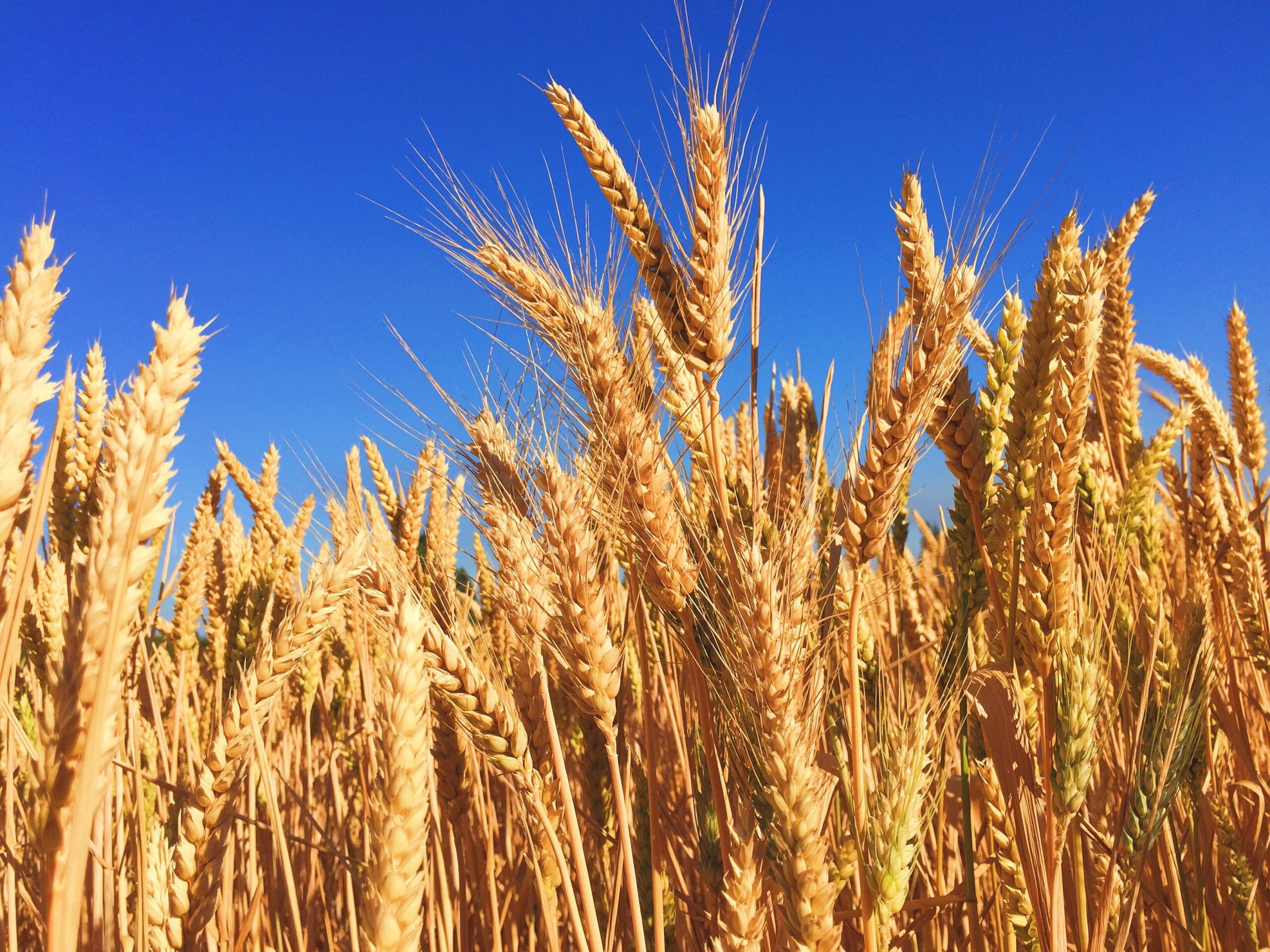
We are a commercial farm, growing over 300 acres of combinable crops. We grow wheat, barley and oats, which are used to make our chicken feed. We also grow lupins to replace some of the soya we have to buy in for our hen ration. Soya is an protein used in many animal feeds, but by using some lupins we can reduce our use of it and therefore reduce our carbon footprint. We rotate the crops around the fields to reduce our weed and pest burden, and we also contract some of the fields out for growing cabbage and potatoes.
We make large bale hay, haylage and straw which are sold to local farms and horse yards and we often have the muck back from those same places to work back into our arable fields to improve our organic matter in the soils (basically great worm food!) We spread over 1500 tonnes of this every year, on top of our chicken manures, and we really believe this helps the soil structure. We are looking at the long term benefit to our most important asset – the soil!
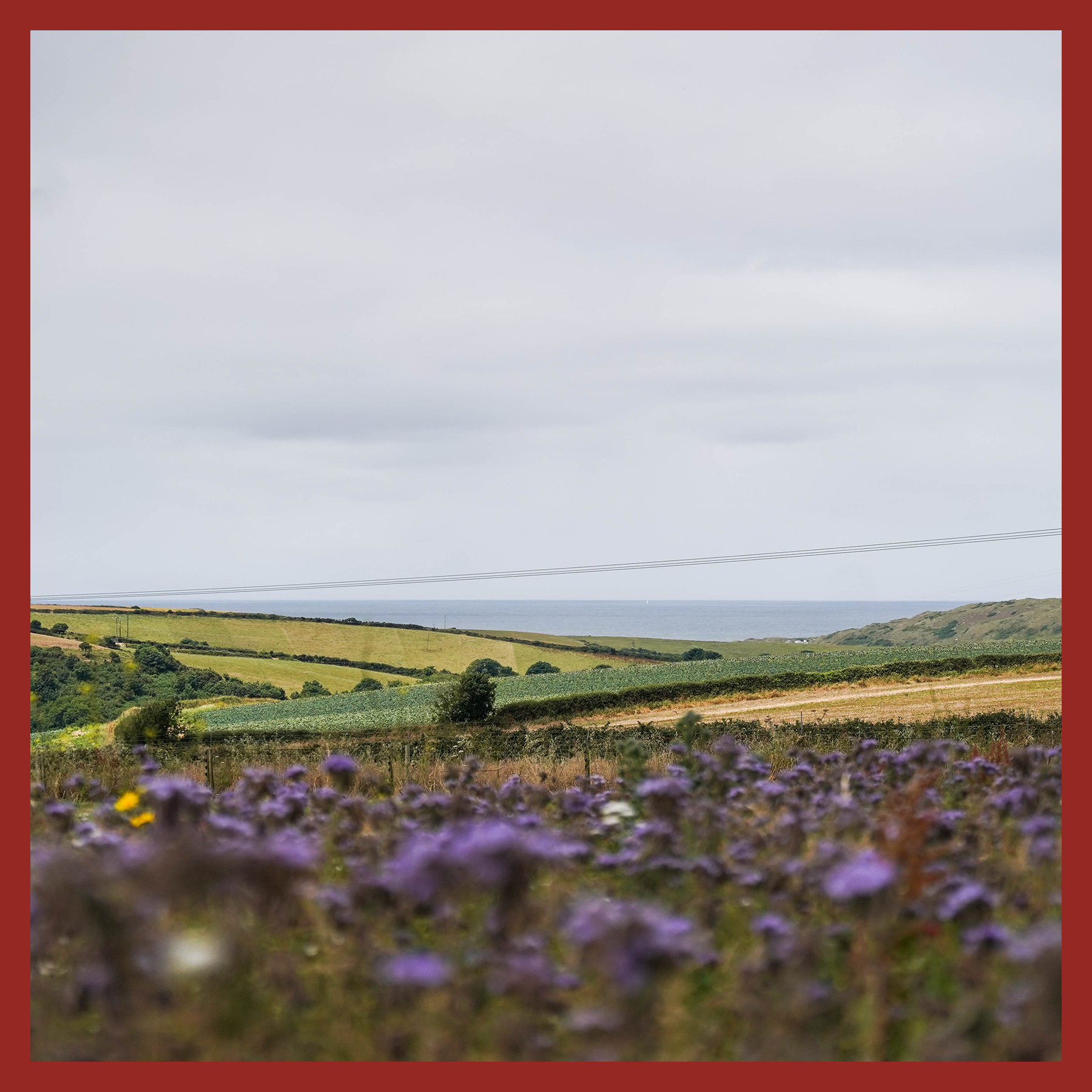
Alongside our more intensive farming, we have areas of conservation. Each field has a wildlife margin by the hedge, and we also put cover crops in fields which are not in production. We dug a pond in the late 1980’s at the bottom of the valley, we’ve planting small copses of trees in field corners, and in the winters of 2024/25 and 2025/26 we have planted over 10,000 trees and hedgerow plants. You can see the new trees from the A30 on the big dipper. Hopefully we have enhanced the wildlife habitat and diversity over the years and we are also increasing the farms capacity to sequest carbon as the trees and hedgerows mature over time.
We trim the field hedges every other year, leaving some growth by the hedge, which helps to thicken the hedge and create cover for wildlife and birds.
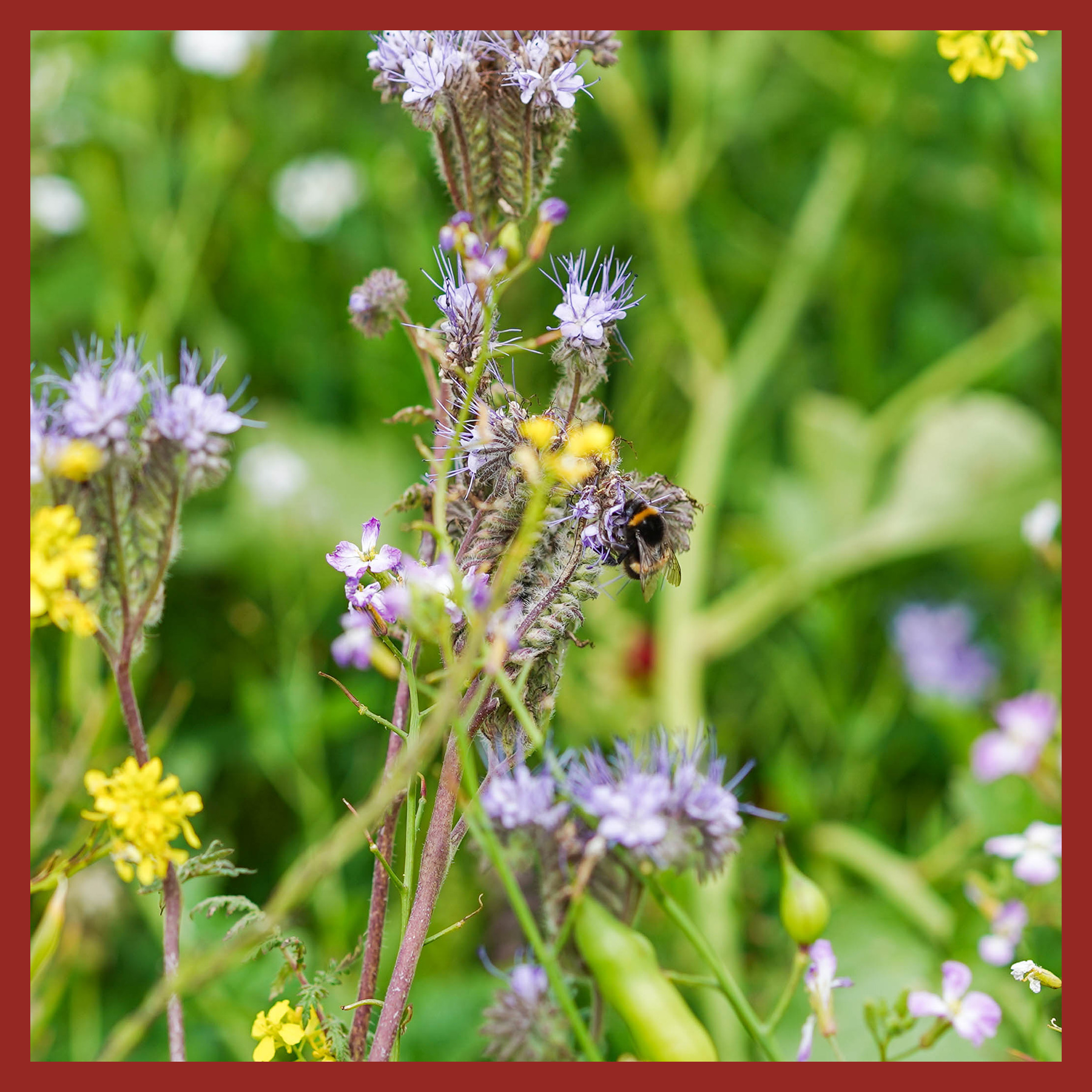
We are actively growing cover crops on the hen ranges to encourage beneficial bees and insects at the farm, which will naturally reduce the pest burden on our crops. It’s a great feeling to see and hear the amount of wildlife on the farm, and be it skylarks, lapwings, deer, or the blackbirds digging worms out of the veg patch, they are all benefiting from the work we are doing to farm as sustainably as possible.